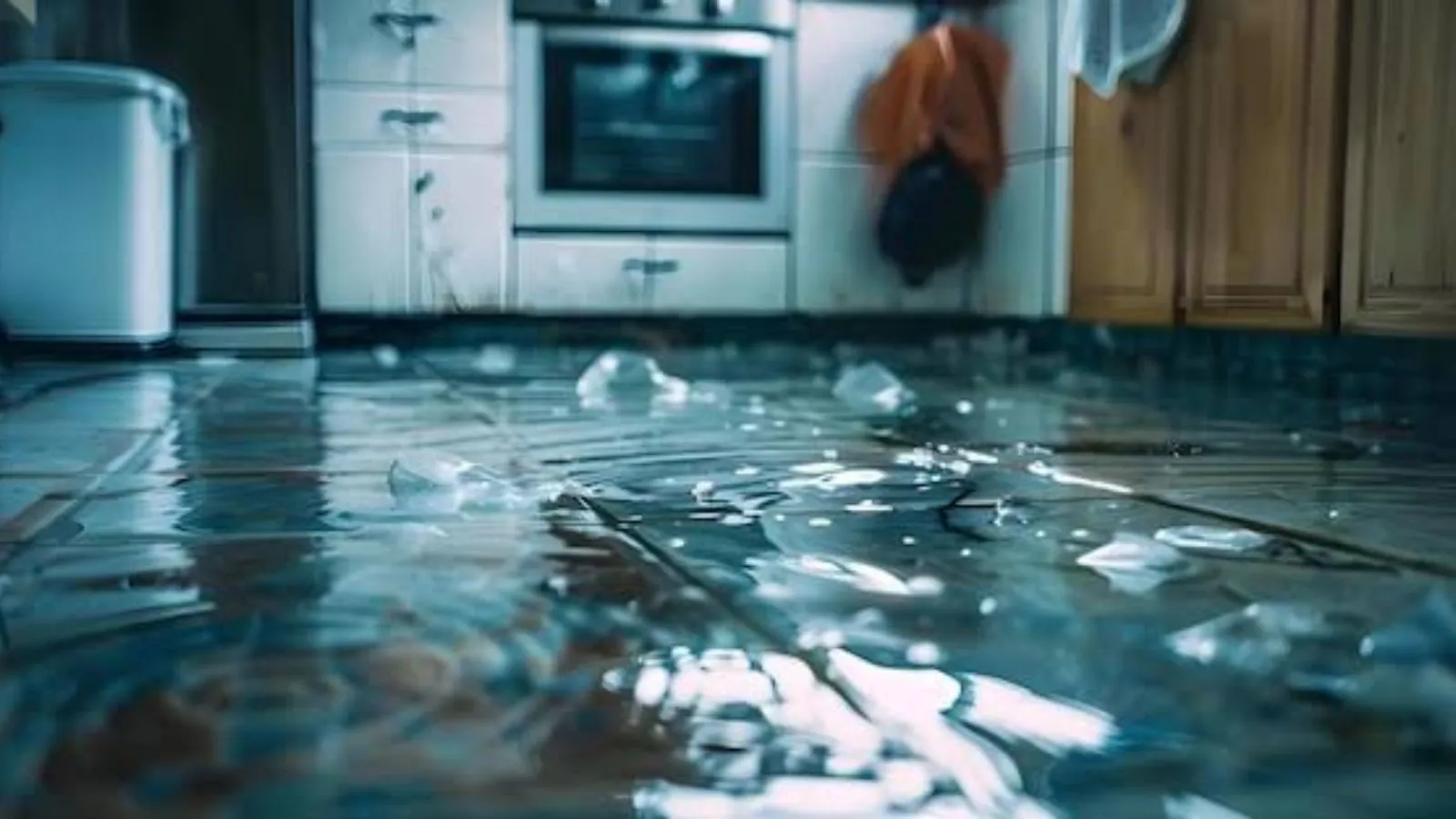
Water mitigation means taking steps to limit damage after water enters a building. The word comes from the general idea of making something less severe. In the restoration trade it describes the emergency work: stopping the water, removing it, drying what is wet and protecting what has not been harmed yet. Insurance papers use the word often, which is why many homeowners first meet it on a claim form.
Mitigation in plain words
Think of a house with a burst pipe. Mitigation is everything done in the first hours and days to keep the damage from spreading. It includes shutting off the water, pumping out standing water, pulling soaked carpet pad and running drying equipment. It does not include repainting walls or installing new floors. Those steps come later.
The point of mitigation is cost control. Water that sits in a building keeps causing harm. Prompt action protects materials that could otherwise be ruined and keeps the rebuild smaller.
Where the word comes from in your policy
Many insurance policies include a duty to mitigate. That means you are expected to take reasonable steps to prevent further damage after a loss. The Massachusetts Division of Insurance explains this duty in its consumer guidance. Reasonable steps include closing the water valve, moving belongings and arranging for drying.
The duty does not mean you must do everything yourself. Hiring a professional crew is a reasonable step, and the cost is often part of a covered claim. Ask your insurer how they want emergency costs documented.
What mitigation includes
Stopping the source
Closing a valve, isolating a line or tarping an opening.
Removing water
Pumping, extraction and removal of soaked materials. See water extraction.
Drying
Air movers and dehumidifiers dry the structure. See structural drying.
Protecting property
Moving contents, blocking furniture legs and covering floors.
Need mitigation now?
Call the 24/7 line. Close the main valve if a pipe is the source.
What mitigation does not include
Mitigation does not include rebuilding. Replacing drywall, repainting, refinishing floors and installing cabinets are repair or reconstruction. Plumbing repairs are done by a licensed plumber. Roof repairs are done by a roofer. A mitigation crew may do temporary protection, such as a tarp over a hole, but a permanent fix belongs to another trade.
Mitigation, remediation and restoration
| Term | Common meaning |
|---|---|
| Mitigation | Limiting damage by removing water and drying. |
| Remediation | Removing or neutralizing a hazard, such as mold or contamination. |
| Restoration | Returning a building to its prior condition. |
| Reconstruction | Rebuilding after major damage. |
Companies use these words loosely, so ask what a quote includes before you compare prices. A mitigation quote and a full restoration quote are not the same size of job. For more on the differences, see the page on mold remediation, which is the most common kind of remediation after water.
Examples of mitigation steps
- Extracting water from carpet and padding.
- Cutting a section out of a wet wall to let it dry.
- Removing baseboards so air reaches the wall base.
- Placing air movers and a dehumidifier and logging readings.
- Removing contents to a dry area.
- Photographing and listing affected items for an insurer.
Why the clock matters
Water causes secondary damage the longer it stays. Drywall wicks water upward. Wood swells. Metal rusts. Mold can begin on wet organic materials within a day or two. State and federal guidance suggests drying within 24 to 48 hours as the main way to prevent mold. Mitigation is organized around that window.
What good mitigation looks like on paper
A mitigation job should leave a paper trail. Expect a written scope, photographs, daily moisture readings and a final reading showing the structure at a dry reference. That record shows what was done and why. It protects you if a claim is questioned and helps a later contractor know what is behind the walls.
Ask for a copy at each visit. If a crew cannot show readings, ask how they decided drying was finished.
A short example
A water heater fails in a Winthrop basement. Mitigation closes the supply, extracts the water, removes soaked carpet and the bottom of the drywall, and dries the room for a few days with readings each visit. A contractor then replaces the drywall and carpet. The two jobs are separate, and the second depends on the first finishing properly. See water heater leak cleanup for this scenario.
Mitigation on a commercial job
On a shop or office, mitigation is the same set of steps with added coordination. The crew works around business hours, protects stock and equipment and keeps records for the owner and the landlord. See commercial water damage for how that looks in practice.
Mitigation language you may see on a claim form
Claim forms often use phrases such as emergency services, mitigation services, reasonable repairs and protection of property. They all point to the same idea. Take the steps needed to stop more damage, keep the records and send them to the insurer.
If a phrase is unclear, ask the adjuster to explain it in plain words. A good adjuster will, and a restoration crew can help you match each line to the work that was done.
Why homeowners hear the word so late
Most owners meet the term for the first time after a loss, when they are stressed and short of time. That is why plain explanations matter. If a crew or an adjuster uses a term you do not know, stop and ask. A good one will explain it in a sentence.
Does water mitigation mean water removal?
It includes removal and also drying, removal of ruined materials and protection of the rest.
Is mitigation covered by insurance?
Often, when the loss itself is covered. Ask your insurer.
Is mitigation the same as repair?
No. Mitigation limits the damage. Repair replaces what was removed.
How soon should mitigation start?
As soon as possible. Early action means smaller losses.
The crew serves Winthrop and nearby areas, including Boston and Nahant.
Sources and standards
The crew uses ANSI/IICRC S500 as its reference for water categories and drying methods. This page also draws on the public sources below.
- ANSI/IICRC S500, the standard and reference guide for professional water damage restoration (IICRC).
- Massachusetts Division of Insurance consumer guidance.