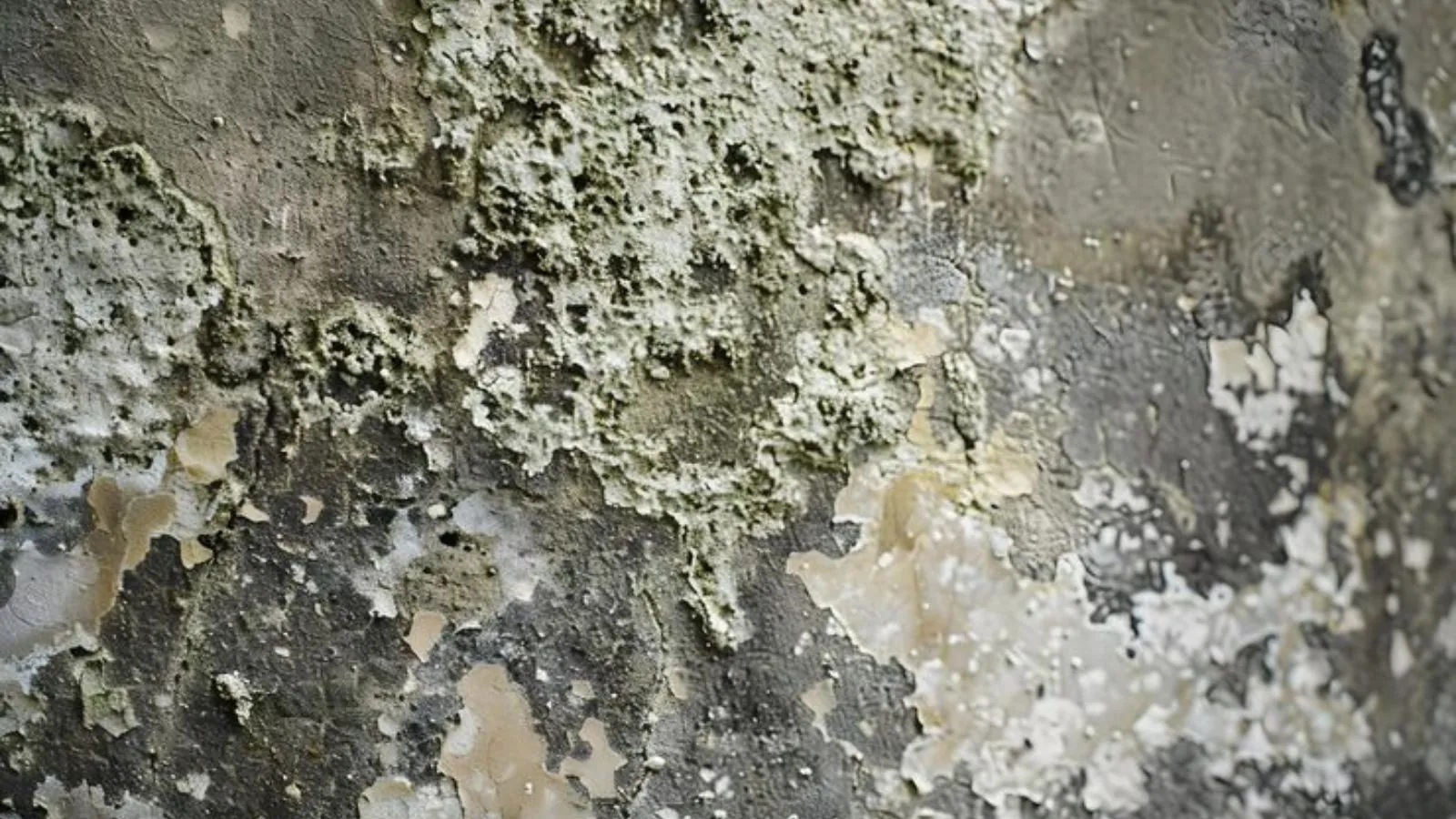
Mold remediation in Winthrop, MA is the removal of mold growth and the correction of the moisture that fed it. Coastal humidity, old basements and water events keep many homes close to the conditions mold needs. Growth often appears within days when materials stay wet.
If you see mold, keep the room closed and do not disturb it. Do not run fans through it or scrub it dry. Call the 24/7 line at (833) 521-1033. Stopping the water comes first, because removal without a dry structure fails.
Mold and water damage
Mold needs moisture and an organic surface. Drywall paper, wood and carpet pad qualify. Insurers and public agencies point to quick drying as the main prevention. The EPA says to dry wet materials within 24 to 48 hours to prevent mold. When drying is late, the choice is removal.
Basements
Humid, cool spaces keep materials damp. See basement water cleanup.
Behind walls
Leaks inside wall cavities feed growth you cannot see.
Ceilings
Roof and AC leaks leave damp drywall and insulation.
After floods
Contaminated water and porous materials create high risk. See flood damage cleanup.
Mold will not dry out by itself
Call and describe the area and what happened.
How remediation works
Find and stop the moisture
A moisture meter and thermal camera locate the wet source. Leaks are repaired first.
Contain the area
Plastic barriers and negative air keep spores from spreading to clean rooms.
Remove affected materials
Porous materials with growth, such as drywall and carpet pad, are bagged and removed.
Clean and dry
Surfaces are cleaned and the structure is dried to the dry reference.
Confirm
Readings are recorded so you can see the area is dry.
Testing and who decides
Mold testing is a separate choice from remediation. Visible growth does not always need a lab result to be removed. Some owners want an independent inspector to write a protocol and clear the work afterward. That gives a separate party to confirm the result.
State guidance lists situations where a professional should do the work, such as large areas or growth from flood or sewage. Ask your remediator how the area will be contained and how it will be confirmed dry.
What affects the scope and price
| Factor | Effect on the work |
|---|---|
| Area | More square footage means more containment and removal. |
| Materials | Drywall and pad come out. Wood framing is cleaned. |
| Access | Attics and crawl spaces slow the work. |
| Moisture source | An unfixed leak must be repaired first. |
| Rebuild scope | Replacing removed finishes is quoted separately. |
Scope and price are explained before work starts. Many policies cover mold only when it follows a covered water loss, and some cap mold coverage. Check your policy and ask your insurer.
What not to do when you find mold
- Do not run a fan or the HVAC system to blow it away. Moving air carries spores to clean rooms.
- Do not scrub dry mold with a brush. That releases spores into the air.
- Do not paint over it. Paint hides growth without removing it or the moisture behind it.
- Do not tear out large sections of drywall without containment.
- Do not ignore a musty smell, even when no growth is visible.
Mold after a water loss, and your insurance
If mold followed a covered water event, keep the records that tie them together. Date of the water loss, photographs, the drying logs and the first sign of growth all help. Many policies cover mold only as part of a covered loss, and some set a lower limit for it. Read the mold section of your policy before you start, and ask your insurer how they want the work documented.
A written scope helps. It should name the rooms, the materials to be removed, the containment method and how the structure will be confirmed dry. If a remediator cannot describe those four things, ask again before you sign.
Can I clean mold with bleach?
Bleach does not fix a moisture problem and does not penetrate porous materials well. Removal and drying are the real fix.
Do I need a mold test first?
Not always. Ask whether testing adds value for your case.
Do you handle mold emergencies in Winthrop?
The 24/7 line is open at all hours. No arrival time is promised.
Will mold come back?
Not if the moisture source is fixed and the structure stays dry.
Related pages are structural drying and basement water cleanup. Crews also serve Boston and Nahant.
Sources and standards
The crew uses ANSI/IICRC S500 as its reference for water categories and drying methods. This page also draws on the public sources below.
- ANSI/IICRC S500, the standard and reference guide for professional water damage restoration (IICRC).
- U.S. EPA, A Brief Guide to Mold, Moisture and Your Home.