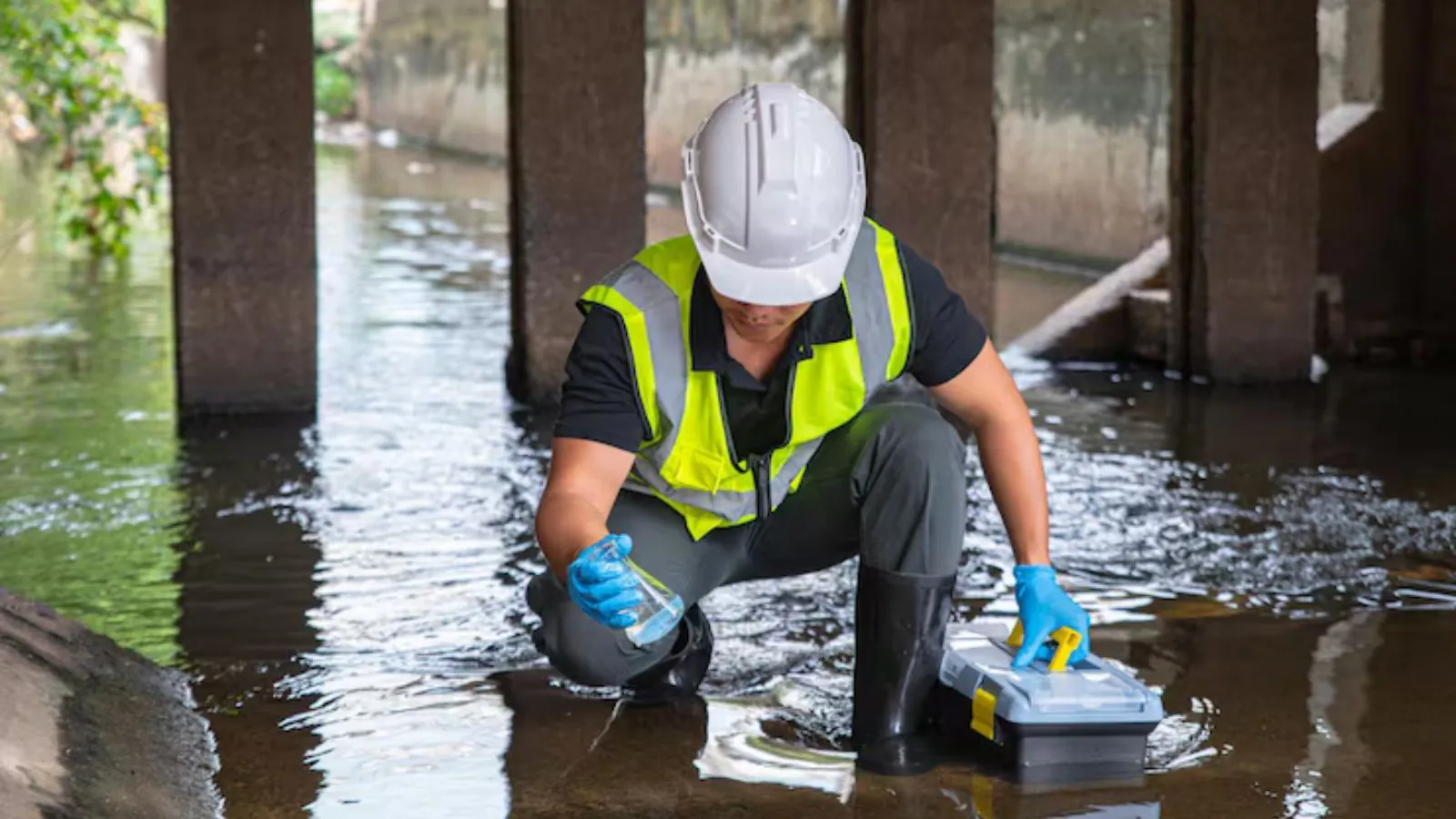
Emergency water extraction in Winthrop, MA means getting standing water out of a building before it soaks into subfloors and wall bottoms. A few hours of ankle-deep water in a laundry room can leave the framing wet for days, so removal comes before anything else.
This is an emergency situation, and the 24/7 line at (833) 521-1033 exists for it. While you wait, stop the source if you can do so safely, turn off power to the wet area only if you can reach the panel while standing dry, lift valuables off the floor and keep children and pets out of the water.
When standing water is an emergency
Water that has sat for less than a day is still mostly a removal job. After a day or two it becomes a drying job with removals of carpet pad and baseboard on top. Callers often describe it the same way: the water started this morning, it is a few inches deep and it is still coming. That is the right moment to call.
Winthrop's low-lying blocks make this common. The town's own flood review places repeated flooding at Point Shirley, along Shore Drive behind Winthrop Beach and at Ingleside Park, and it notes that high groundwater and tidal surge send water into homes near Nahant Avenue, where some owners run pumps regularly. Extraction handles the water that comes in. It does not stop the source, so a recurring source needs a separate fix.
How water extraction works
Make it safe
The crew checks for live power, gas smells and unstable floors before anyone steps into the water.
Pump and extract
Submersible pumps clear deep water. Portable extraction units then pull water from carpet, pad and hard floors.
Find hidden water
Moisture meters and a thermal camera show water that stayed behind baseboards and under floors.
Hand off to drying
Air movers and dehumidifiers take over once the bulk water is gone.
Pumping versus drying: what each one finishes
Extraction removes liquid water and nothing more. A floor can look dry after extraction while the subfloor and the wall base are still saturated. Drying is a separate stage that uses air movers, dehumidifiers and daily moisture readings, and it is explained on the structural drying page.
Some callers ask about pumping a yard, a pool or an exterior area. That is outside what this line handles. Water inside a building is the job here, whether it is a bathroom leak, a failed supply line, a washer hose or water that came up through a floor drain.
Pumps are faster the earlier they start
Call now and describe the depth, the source and whether power is on.
Does the water type change the work?
Yes. Clean supply water allows careful extraction and drying of many materials. Water from a drain or from outside is treated as contaminated under ANSI/IICRC S500, and the crew removes porous materials instead of drying them in place. When the water smells like sewage, stop and read the sewage backup cleanup page before using any fan or vacuum yourself.
A household shop vacuum can move small spills. It is not a substitute for extraction units when water has reached carpet pad or wall cavities, and it should never be used on contaminated water.
What affects the price of extraction
| Factor | Effect on the work |
|---|---|
| Depth and volume | Deeper water takes more pump time and a longer setup. |
| Source of the water | A continuing source has to be stopped before extraction can hold. |
| Floor materials | Carpet and pad need removal decisions. Tile and concrete extract cleanly. |
| Access | Stairs, narrow doors and basements change how equipment is carried and placed. |
| Follow-up drying | Extraction is often the first of several visits, so ask for the full scope and price. |
Scope and price are explained before work starts. If the loss is covered, insurers generally expect you to take reasonable steps to prevent further damage and to keep receipts, according to the Massachusetts Division of Insurance. Photos of the water level before extraction help document the loss.
Safety steps while you wait
- Stay out of standing water if power may be on, and call the utility or 911 about any electrical risk.
- Close the main water valve if a pipe is the source.
- Do not use a household vacuum on standing water.
- Keep children and pets out of water that may be contaminated.
- Move valuables up and photograph the water before it is removed.
Do you handle water extraction emergencies at night or on weekends in Winthrop?
Yes. The line answers 24/7. Describe the depth and source of the water and the crew sets the plan from there. Arrival times depend on conditions, so none is promised.
Can you extract water from a finished basement?
Yes, when the water is inside the building. Finished basements often need carpet and pad lifted and wall bases checked, which is covered on the basement water cleanup page.
Do you pump out yards or pools?
No. This service is for water inside homes and buildings.
Should I start moving water myself?
Only if it is clean water and power is off in the wet area. Mop-up of contaminated water should wait for the crew.
Water inside a Winthrop building will not wait for business hours. If it is a larger loss, see flood damage cleanup. Crews also serve Boston and Nahant.
Sources and standards
The crew uses ANSI/IICRC S500 as its reference for water categories and drying methods. This page also draws on the public sources below.
- ANSI/IICRC S500, the standard and reference guide for professional water damage restoration (IICRC).
- Massachusetts Division of Insurance consumer guidance.
- Town of Winthrop, Infrastructure Vulnerability to Climate.