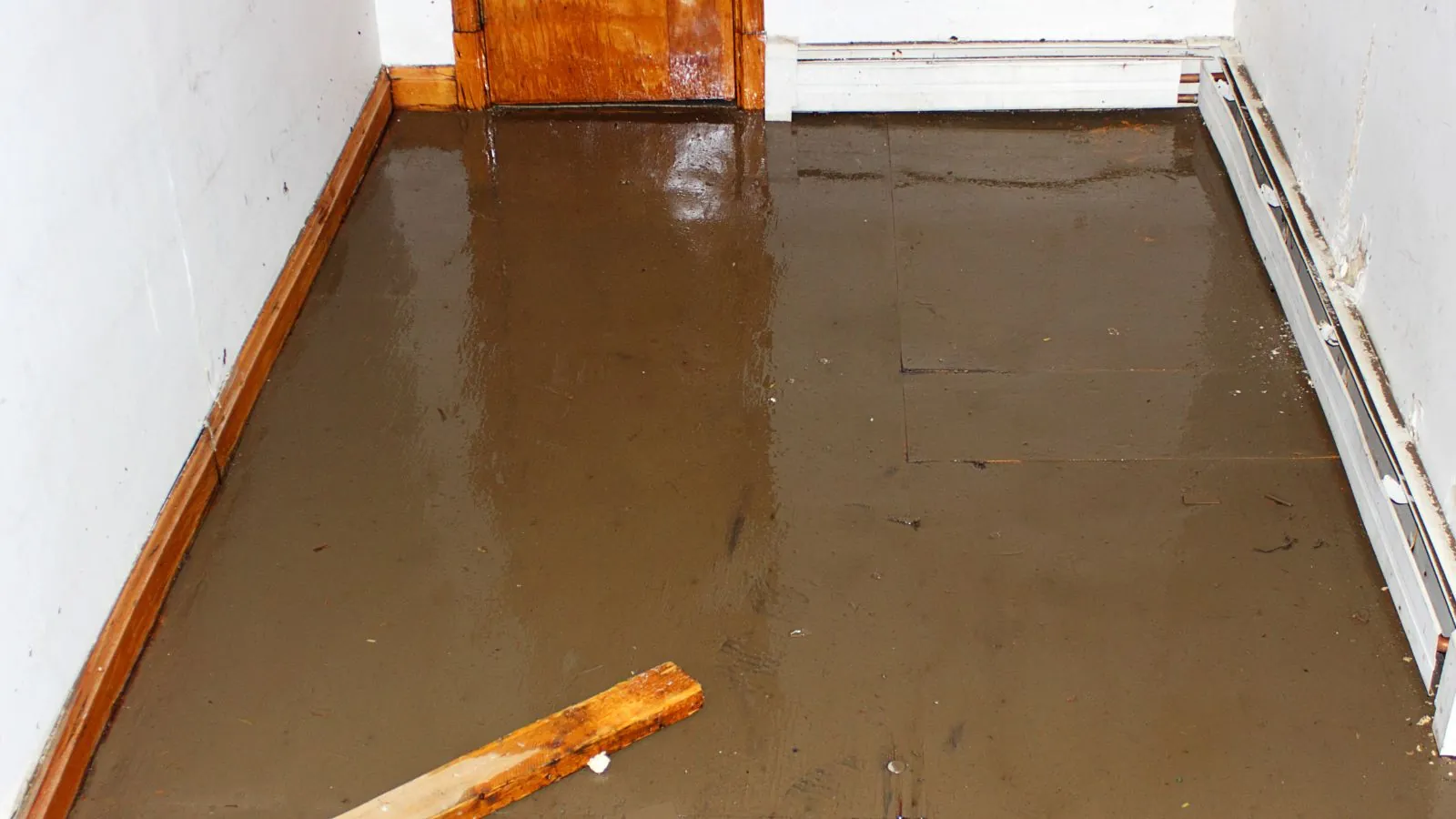
Basement water damage cleanup in Winthrop, MA is mostly a race between extraction and the walls. Water that sits on a basement floor wicks into drywall, trim and stored boxes, and in a finished basement it hides under carpet and behind paneling.
If water is on the floor now, call the 24/7 line at (833) 521-1033. While you wait, do not wade in if the water could reach outlets, a panel, a furnace or a water heater. Shut off power at the panel only if you can reach it dry. Lift anything valuable off the floor and keep children and pets out.
When basement water is an emergency
A basement is the bottom room in the building, so it collects water from rain, groundwater, a failed sump pump or a backed-up drain. Callers often describe a flooded and musty finished basement, or rain that came through the foundation. Both are urgent because musty means moisture has been sitting for a while.
Winthrop's flood review points to several low spots where this happens. Ingleside Park sits at sea level and floods often, mainly from rainfall. Near Nahant Avenue, high groundwater and tidal surge send water toward homes, and some owners run pumps regularly. These are the kinds of conditions where basement water is not a one-off.
Common ways water gets in
Heavy rain
Runoff and a saturated yard push water through cracks, window wells and the wall base.
Groundwater and tide
High water tables near the coast push water up through the slab. Tidal surge can do the same.
Sump pump failure
A pump that fails during a storm leaves the pit overflowing. Cleanup follows, but the pump itself is a plumber's job.
Drain backup
A sewer or floor drain that backs up brings contaminated water. See sewage backup cleanup.
Do not let a wet basement sit overnight
Call now. Extraction can start the moment the crew is mobilized.
How basement cleanup is done
The crew first checks for electrical and gas hazards, then extracts the standing water with pumps and portable extractors. Carpet is lifted and pad is removed. Drywall that has wicked water is cut above the wet line, usually 12 inches or more, so the cavity can dry and be inspected.
Moisture meters and a thermal camera map the damp areas in the slab, the wall base and the framing. Air movers and dehumidifiers run until readings reach the dry standard. Basements are slow to dry because there is little airflow, so equipment is placed with that in mind. For the drying process in detail, see structural drying and dehumidification.
Cleanup is not waterproofing
Restoration dries and repairs what the water damaged. It does not stop water from coming back. If your basement floods repeatedly, a waterproofing contractor, drainage work or a better sump system may be needed, and that is a different trade. An honest crew will say so.
If you also see dark growth on walls or smell mustiness after the water has gone, read about mold remediation. Do not wait if carpet has been wet for more than a day or two.
What affects the scope and price
| Factor | Effect on the work |
|---|---|
| Water depth and source | Deeper or contaminated water adds pumping, protective gear and removals. |
| Finished versus unfinished | Finished basements have carpet, drywall and trim that must be tested and often removed. |
| Time wet | Longer exposure means more porous material to discard. |
| Area | More square footage means more extraction and more drying equipment. |
| Contents | Stored items may need to be moved, sorted or discarded. |
Scope and price are explained before work starts. Insurance coverage depends on the cause. Sudden water often is covered, groundwater and flood often are not, and a policy may require separate coverage. Ask your insurer and keep photographs of every wet item.
Safety steps while you wait
- Stay out of a basement with standing water if power may be on.
- Do not use household vacuums or fans in standing water.
- Call the utility or 911 about any electrical or gas risk before you call us.
- Move stored items up and photograph water lines on the walls.
- Do not open a hatch or door against pressure from floodwater outside.
Do you handle basement water emergencies at night or on weekends in Winthrop?
Yes. The 24/7 line answers at any hour. Share the depth, the source and whether power is on so the crew can prepare.
Can you tell me why my basement keeps flooding?
The crew can point to where the water is entering, but repeat flooding is a drainage or waterproofing question for a different trade.
Will you remove carpet in a finished basement?
Usually, yes. Carpet and pad that sat in water are normally removed and discarded, and the subfloor or slab is dried.
My basement smells musty after the water was removed. What now?
The structure is probably still holding moisture. Call, and the crew can take readings and tell you whether more drying is needed.
Floods that go beyond the basement are handled under flood damage cleanup. Crews also serve Boston and Nahant.
Sources and standards
The crew uses ANSI/IICRC S500 as its reference for water categories and drying methods. This page also draws on the public sources below.
- ANSI/IICRC S500, the standard and reference guide for professional water damage restoration (IICRC).
- Town of Winthrop, Infrastructure Vulnerability to Climate.