Restoration, remediation and mitigation are three words that homeowners hear after a water loss. They are related, but they do not describe the same work. Understanding the differences helps you read a quote, ask the right questions and avoid paying twice for the same job. This guide uses the most common meanings in the restoration trade.
The short definitions
| Term | Usual meaning | Example |
|---|---|---|
| Mitigation | Limiting damage right after a loss | Extracting water and starting drying. |
| Remediation | Removing or neutralizing a hazard | Removing mold or cleaning contaminated materials. |
| Restoration | Returning the property to its prior condition | Replacing drywall, flooring and paint after drying. |
| Reconstruction | Rebuilding after major damage | Rebuilding a kitchen after a fire or major flood. |
These meanings are not legally fixed. A company may use restoration to mean everything from emergency drying to final paint. Ask for a written scope instead of relying on the label.
Mitigation comes first
Mitigation is the emergency step. The crew stops the source, removes water and dries the structure. Its goal is to prevent further damage. The sooner it starts, the smaller the later work tends to be. See the page on water extraction for how the first step works.
Remediation deals with a hazard
Remediation is about removing something harmful. In water losses the most common remediation job is mold. It can also mean cleaning and sanitizing after sewage or flood water, which are classed as contaminated. Remediation often involves containment, protective gear and disposal of materials.
A water crew may do remediation as a follow-up to mitigation, or a separate company may do it. See mold remediation and sewage backup cleanup.
Restoration puts things back
Restoration replaces what was removed. Drywall goes back up, flooring is installed and walls are painted. In a small loss, it may be a few days of work. After a larger loss, it may be a full rebuild. Restoration is usually quoted after drying is complete, because only then is the full extent of removals known.
Many insurers pay for mitigation first and then handle the rebuild as a separate part of the claim.
Not sure which one you need?
Call the 24/7 line and describe what happened. The crew will tell you where to start.
How the words show up in a quote
- A mitigation quote lists extraction, equipment days, monitoring and removals.
- A remediation quote lists containment, removal of affected materials and cleaning.
- A restoration quote lists materials, labor and finishes.
- A combined quote should separate each stage so you can compare it.
Common confusion
Some people use mitigation and remediation as if they were the same. They are not. Mitigation reduces the spread of damage. Remediation removes a hazard. Another frequent mix-up is the assumption that a restoration company will rebuild your house. Some do. Many do only the drying and hand the rebuild to a contractor you choose.
Ask who will do each stage and who is responsible if something goes wrong between stages.
Questions to ask before you sign
- Does this scope include drying only, or also rebuild?
- Who will remove and replace drywall and flooring?
- How will moisture readings be recorded?
- What happens if the readings do not reach a dry reference?
- Who handles permits if any are needed?
- What is not included?
Why it matters for insurance
Insurers often treat mitigation, remediation and restoration as separate parts of a claim. Mitigation is usually time sensitive. Remediation of mold may have a separate limit. Restoration depends on the repair estimate. If you know which phase you are in, your conversation with the adjuster goes more smoothly. Keep each invoice and scope labeled by phase.
A simple example
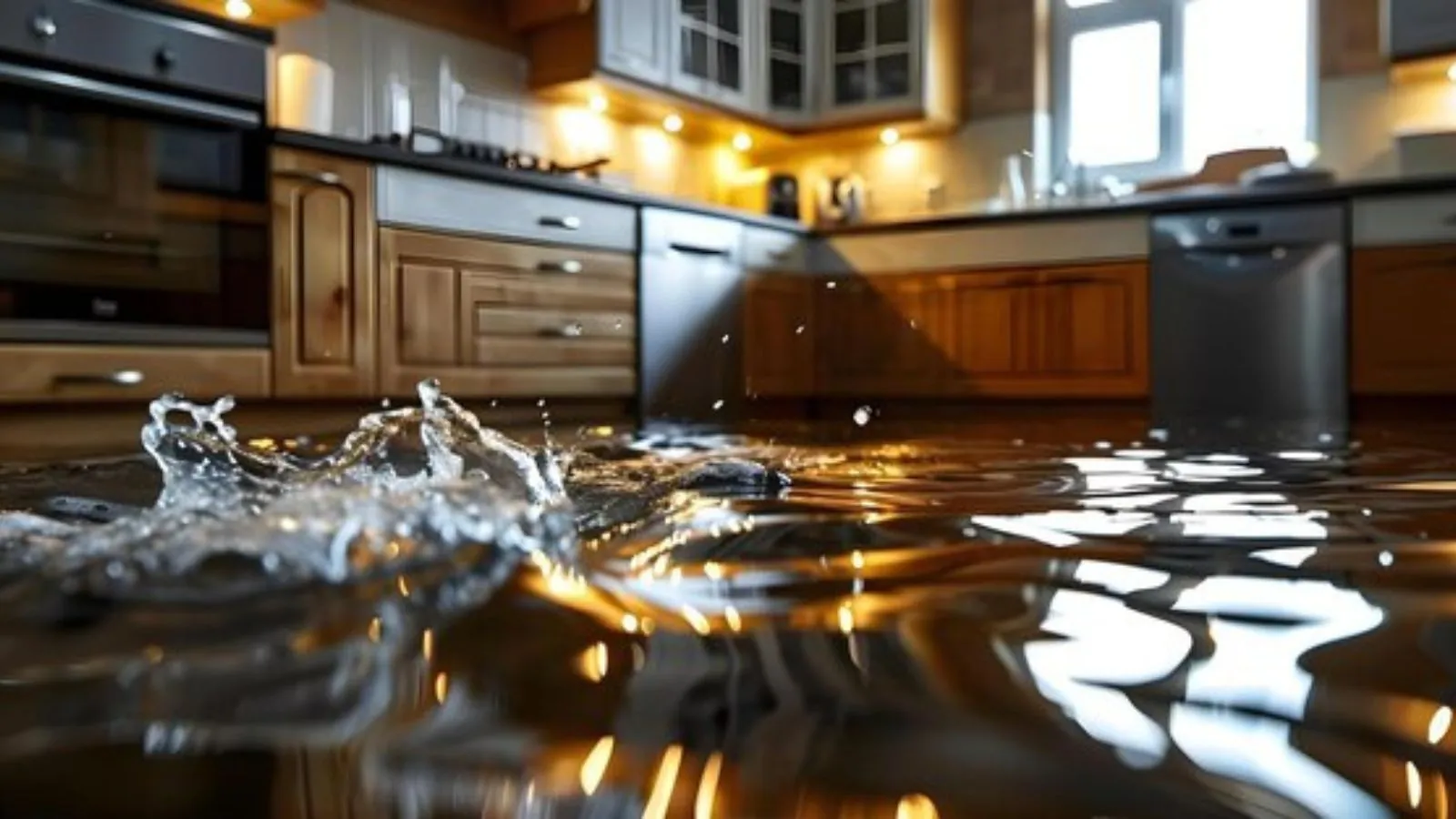
A dishwasher hose bursts in a Winthrop kitchen. Mitigation extracts the water and dries the floor. Remediation is needed only if mold develops or if the water was contaminated. Restoration replaces the damaged cabinet bases and flooring. Each stage has its own materials and labor. See kitchen water damage restoration.
Is restoration the same as remediation?
No. Restoration returns a property to its prior condition. Remediation removes a hazard.
Is mitigation covered by insurance?
Often when the loss is covered. Ask your insurer.
Do I need all three?
Not always. Many losses need only mitigation and restoration.
Who should I call first?
The 24/7 line for mitigation. Everything else follows from the readings.
The crew serves Winthrop, Boston and Nahant.
Sources and standards
The crew uses ANSI/IICRC S500 as its reference for water categories and drying methods. This page also draws on the public sources below.
- ANSI/IICRC S500, the standard and reference guide for professional water damage restoration (IICRC).