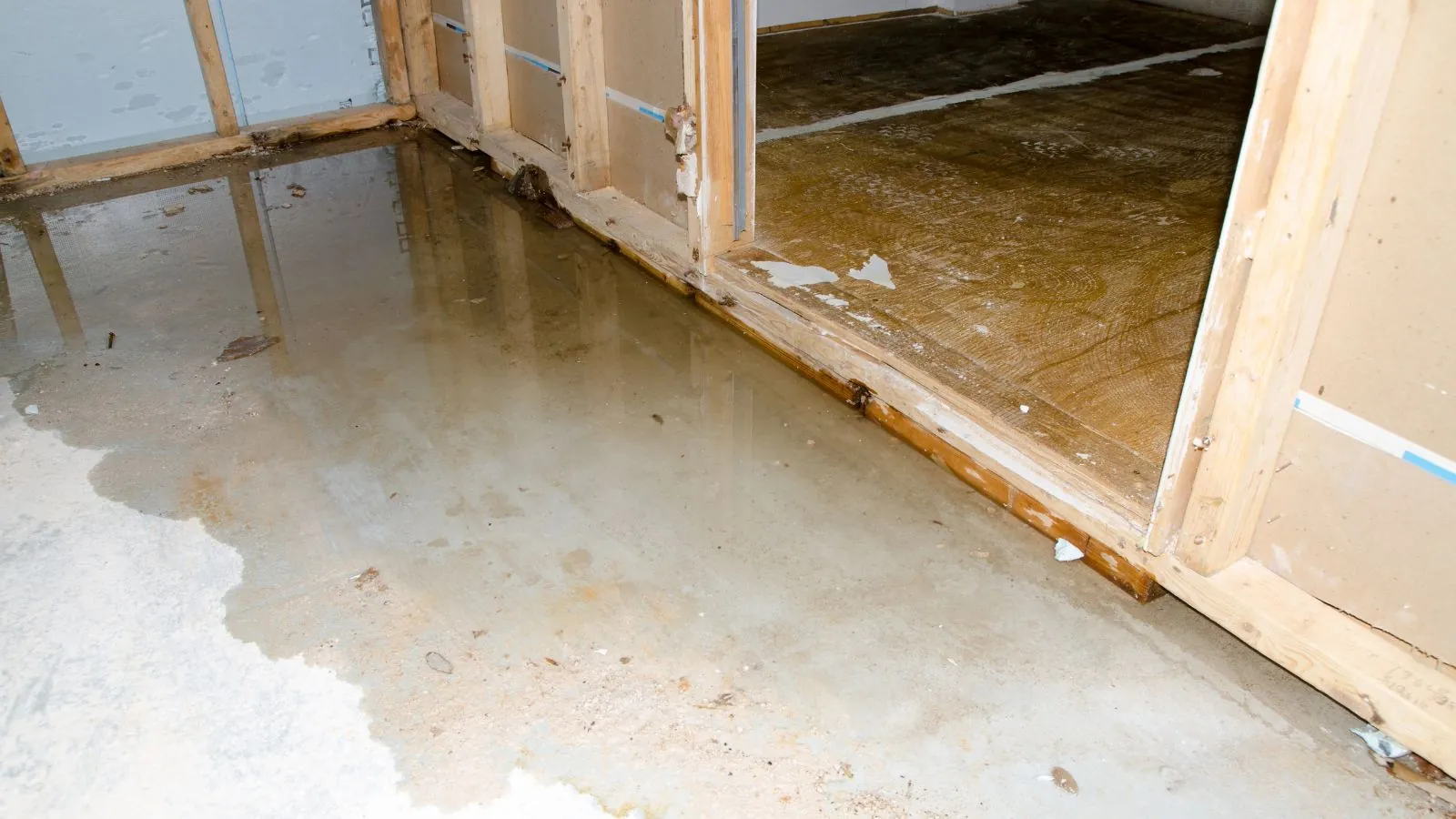
If your Winthrop home has had water damage, you may wonder whether you can sell it and how it will affect the price. You can. Buyers and their inspectors see water history often, especially in coastal towns. What matters is whether the damage was fixed properly and whether you can show it. This guide covers what to do before listing.
Fix the cause first
A buyer's inspector looks for stains, damp smells and moisture readings. A repaired ceiling over an unfixed roof leak will fail that test. Fix the source before you cosmetically repair the damage. A plumber repairs pipes and a roofer repairs roofs. Then the structure is dried and the finishes are replaced. See structural drying for how a crew confirms dryness.
Keep the paper trail
- The date and cause of each loss.
- Photographs before, during and after repair.
- The moisture readings and drying logs.
- Invoices from the plumber, roofer and restoration crew.
- Permits and inspection sign-offs if needed.
- Insurance claim records and payments.
A folder with this information turns a worry into a documented repair. Buyers and their agents often respond better to a clear record than to a lack of information.
Disclosure
What you must disclose is a legal question that depends on state law and the facts. In Massachusetts, sellers have certain duties about known defects. Talk to a real estate attorney or your listing agent before you list. Do not guess, and do not hide known water problems. A failed disclosure can lead to a dispute later.
This site does not give legal advice. A lawyer can explain what applies to your property.
Water in the house before a sale?
Call the 24/7 line. Early drying and a clean record make the sale easier.
What inspectors look for
Stains and smells
Water marks on ceilings and walls and a musty basement.
Moisture readings
Moisture meters on suspect walls and floors.
Mold signs
Visible growth or odor.
Repairs
Fresh paint, patched drywall and new flooring that raise questions.
Repairs to do before listing
Fix active leaks
Repair plumbing, roof and window leaks.
Dry and verify
Get final moisture readings.
Remove damaged materials
Replace wet drywall, insulation and flooring.
Treat mold if present
See mold remediation.
Document everything
Gather invoices, readings and photos.
Selling as is
Some owners choose to sell without repairs. That can work if the price reflects the condition and the buyer understands the problem. It usually appeals to investors or cash buyers. If you sell as is, still describe what you know. A buyer who finds a surprise may walk away or demand a lower price.
Flood and storm history
Buyers in a coastal town often ask about flood history and flood insurance. Winthrop's draft hazard mitigation plan lists a run of storm events and the town's infrastructure review says a large share of the town lies in a coastal flood area. Have your flood insurance information and any past claims ready. Your agent can explain how a flood zone affects financing.
Planning the timeline
Repairs take time. Drying can take days, and a rebuild can take weeks. Start early if you plan to list in the spring. If a loss happens during the listing, tell your agent and your buyer promptly. Honest communication is usually better than a surprise at the inspection.
Questions to ask your agent
- What do I need to disclose about past water damage?
- Will repairs raise the sale price or only protect it?
- Should I fix the damage or sell as is?
- How do buyers in Winthrop view flood history?
- Which documents should I keep ready?
Talking to buyers
Be calm and factual. Explain what happened, when it was fixed and who did the work. Hand over the folder of invoices and readings. A buyer who sees evidence is more likely to treat the history as a closed matter.
Avoid arguing with an inspector about a reading. Ask which areas were measured and offer the final dry readings from your records. Stay open to a second visit if they want to check again.
If a loss happens during the listing
Call the 24/7 line first and then tell your listing agent. A showing schedule can pause while the structure dries. Keep photographs of every step. Once repairs are done, let the buyer's agent know what was fixed so they hear it from you first.
What an appraiser or lender may ask
A lender or appraiser may ask whether the property has had water damage and whether it was repaired. A clear folder answers that quickly. A buyer using a mortgage may also need the property to meet condition standards, so open water damage or active leaks can delay closing.
If you are unsure, ask your agent how lenders in your price range treat past water damage, and plan the repair schedule around the closing date.
A simple pre-listing checklist
- Have a plumber or roofer confirm that the source is fixed.
- Ask the restoration crew for final moisture readings.
- Gather permits and invoices into one folder.
- Repaint repaired areas with a matching finish.
- Run a dehumidifier in damp areas until showings begin.
Seasonal timing
Spring is a busy listing season, and winter freezes and storms often cause water losses that need to be repaired before then. Book trades early, because plumbers, roofers and builders fill up after a hard season. A repair finished in March is better than a half-finished job in May.
Does water damage lower the sale price?
It can, especially if it is unfixed or undocumented. Proper repair and records help.
Do I have to tell buyers about past water damage?
Ask a real estate attorney. Do not hide known problems.
Should I repair before selling?
Often yes, but it depends on cost, timing and the buyer.
Do inspectors find hidden water damage?
They use moisture meters and thermal cameras and can find a lot.
The crew serves Winthrop, Boston and Nahant. For pipe failures, see burst pipe water damage.
Sources and standards
The crew uses ANSI/IICRC S500 as its reference for water categories and drying methods. This page also draws on the public sources below.
- ANSI/IICRC S500, the standard and reference guide for professional water damage restoration (IICRC).
- Town of Winthrop, Infrastructure Vulnerability to Climate.
- Town of Winthrop and the Metropolitan Area Planning Council, draft hazard mitigation plan update, October 2025.