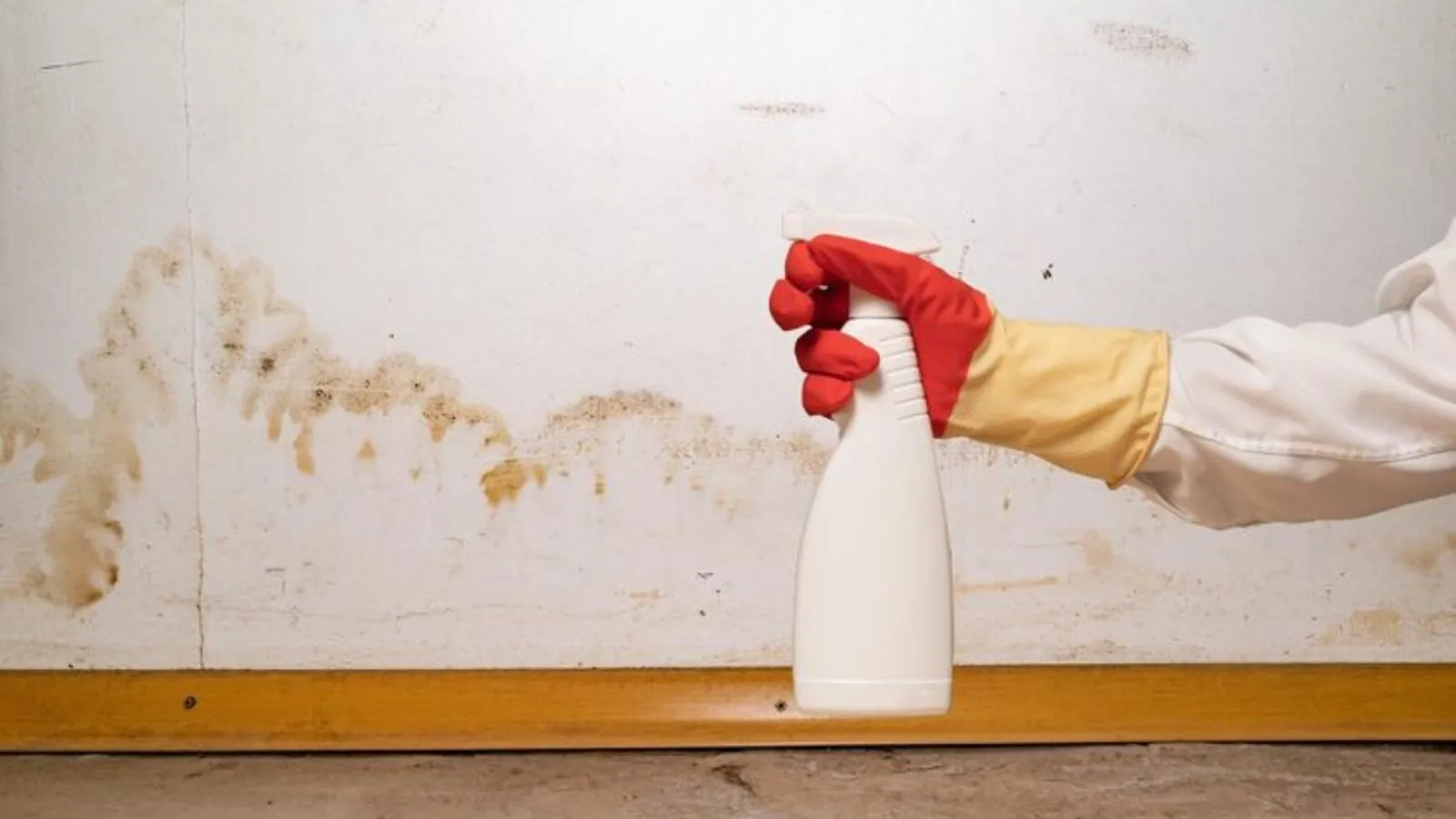
Water damage and mold are two parts of one story. Water gets in and wets materials. If the materials dry quickly, the story ends. If they stay wet for more than a day or two, mold can start. Knowing this timeline helps you decide how fast to act and what to ask a restoration crew to do.
The timeline after a leak
| Time since the leak | What is usually happening |
|---|---|
| First hours | Water spreads across floors and wicks into walls and carpet pad. |
| 24 to 48 hours | Porous materials are saturated. Mold can begin on wet organic surfaces. |
| Three to seven days | Visible growth may appear on drywall paper, wood and pad. |
| Weeks | Established growth can spread and stain, and materials can weaken. |
These stages are general. Warm, humid rooms speed things up. Cool, ventilated rooms slow them down. The EPA's guidance for drying wet materials within 24 to 48 hours is the reason mitigation companies stress speed.
What raises the risk
- Water that sits in carpet, pad or insulation.
- Wet drywall that is not opened or dried.
- Poor airflow in a closed room or crawl space.
- High indoor humidity after the water is gone.
- Contaminated water such as sewage or flood water.
- Delay in calling a restoration crew.
Why drywall and pad are the usual victims
Paper-faced drywall is a good food source for mold. Once the paper stays wet, growth can establish on the back side where you cannot see it. Carpet pad holds water like a sponge, and the carpet on top hides the problem. Insulation inside a wall cavity stays damp for a long time unless the cavity is opened.
That is why restoration crews cut small inspection holes and use thermal imaging. They are looking for water you cannot see. Dry-looking surfaces can hide wet framing behind them.
Water in the house and worried about mold?
Call the 24/7 line. Fast drying is the best prevention.
How drying prevents mold
Mold needs moisture. Remove the moisture and growth stops. A crew uses air movers and dehumidifiers to pull water out of materials and out of the air. It tracks readings until they match an unaffected reference. That measured approach is what separates drying from simply running a fan.
If materials cannot be dried in time, they are removed. Removing a wet section of drywall is less costly and safer than waiting to see whether mold grows. See structural drying for how the process works.
If mold has already appeared
If you find growth after water damage, stop the moisture first. Then limit the spread. Keep the room closed, avoid running fans through it and do not scrub dry growth. Remove porous materials with growth, clean hard surfaces and dry the area. Large areas or growth inside walls call for a professional. See mold remediation for the steps.
Contaminated water raises the stakes
Flood water and sewage carry organic matter that feeds mold. State guidance for owners lists flood and sewage water among the cases where a professional remediator is recommended. In a coastal town such as Winthrop, storm surge and drain backups can bring in that kind of water. See flood damage cleanup and sewage backup cleanup.
Controlling humidity afterward
- Keep indoor humidity in a moderate range and use a dehumidifier in damp basements.
- Run bathroom and kitchen exhaust fans.
- Fix gutters and downspouts that dump water near the foundation.
- Check under sinks and around appliances for slow leaks.
- Do not store cardboard boxes directly on a damp basement floor.
Insurance and mold
Mold coverage varies. Many policies cover mold only when it follows a covered water loss, and some cap the amount. Report the water loss promptly and keep drying logs. They show that you took reasonable steps to prevent mold, which matters if the insurer questions a mold claim.
What to do after any leak
Stop the water
Close the valve or fix the source.
Remove standing water
Call the crew for extraction. See water extraction.
Open and inspect
Check walls, floors and ceilings for hidden moisture.
Dry with readings
Run equipment until readings match a dry reference.
Watch for smells
A musty odor after drying means moisture remains somewhere.
How crews decide between drying and removing
Crews weigh three things: how long the material was wet, what kind of water it was and what the material is. Clean water on solid wood that dries in the first two days is a good candidate to keep. Drywall that sat in dirty water for days is not.
Readings settle the close calls. If a section of wall stays wet after a day or two of drying, it is often less costly to open and replace it than to keep drying and hope.
A short example from a bathroom leak
A slow shower-pan leak soaks the wall behind a tile surround. The tile looks fine. After two weeks the wall smells musty and the grout line darkens. A moisture meter shows the wall is wet, and removal of the bottom of the wall reveals growth on the back of the drywall.
Had the leak been found in the first week, drying alone might have worked. That is why unexplained smells and stains deserve a quick check.
Signs the drying is not finished
- A damp or musty smell after the crew leaves.
- Cold, clammy walls or floors.
- Paint or wallpaper that keeps bubbling.
- Condensation on windows in the affected room.
- Equipment removed before a final reading was taken.
Does every water leak cause mold?
No. Quick drying prevents most mold.
How long do I have to dry things?
State and federal guidance points to 24 to 48 hours.
Can mold grow behind walls?
Yes. Water that gets into a wall cavity can grow mold that you cannot see.
Do I need a mold test after a leak?
Not always. Ask whether it adds value in your case.
The crew serves Winthrop and nearby areas, including Boston and Nahant.
Sources and standards
The crew uses ANSI/IICRC S500 as its reference for water categories and drying methods. This page also draws on the public sources below.
- ANSI/IICRC S500, the standard and reference guide for professional water damage restoration (IICRC).
- U.S. EPA, A Brief Guide to Mold, Moisture and Your Home.