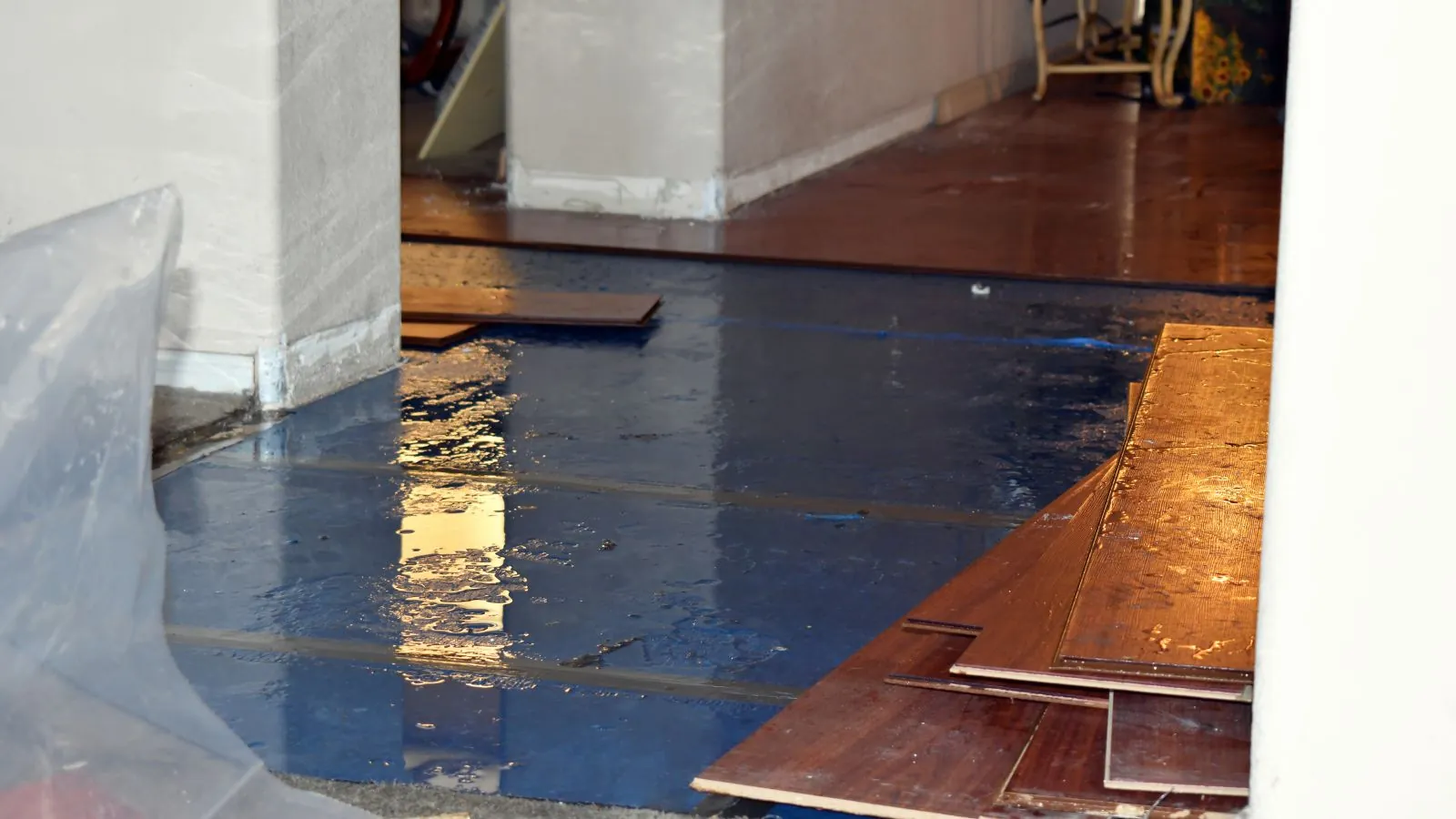
People searching for water mitigation sometimes land on pages about radon, and the reverse. The word is the same, but the problems are not. Radon mitigation lowers a naturally occurring radioactive gas that enters a home from the soil. Water damage mitigation removes water and dries a building after a leak or flood. Different tools, different trades and different warning signs apply to each.
What radon mitigation is
Radon is a radioactive gas that comes from the natural breakdown of uranium in soil and rock. It can seep into a house through cracks in the foundation, sumps and gaps around pipes. It has no smell or color, so you cannot detect it without a test. The EPA recommends fixing homes with radon levels at or above 4 picocuries per liter.
Radon mitigation usually means installing a vent pipe and fan that draw gas from beneath the slab and release it above the roof. A qualified radon professional does the work. It is a ventilation fix, not a water fix.
What water damage mitigation is
Water damage mitigation is the emergency work after liquid water gets into a building. A crew stops the source, extracts water, removes soaked materials and dries the structure. It is a response to a visible event or an unseen leak, and it works against a clock because moisture invites mold.
The two jobs share no equipment or training. A radon fan will not dry a flooded basement. A dehumidifier will not lower radon.
| Question | Radon mitigation | Water damage mitigation |
|---|---|---|
| What is the hazard? | A radioactive gas from soil | Liquid water and the damage it causes. |
| How do you detect it? | A radon test kit or a professional test | Visible water, stains, moisture meters. |
| What is the fix? | A vent pipe and fan under the slab | Extraction, removal and drying. |
| Who does it? | A qualified radon professional | A water restoration crew. |
| How urgent? | A planned job after a test result | An emergency, hours matter. |
Water in the building right now?
Call the 24/7 line. A radon test can wait. A flooded floor cannot.
Where the two problems touch
A basement can have both problems. A damp basement may have cracks that let water and gas in. A sump pit that collects groundwater may also be a path for radon. If a radon professional installs a system, a wet slab may need to be dried first so the sealing and piping work well.
Even then the jobs are separate. Fix the water first if it is active. Test for radon on your own schedule. The two do not need the same contractor.
Do you need both in Winthrop
Whether a Winthrop home has radon is a question only a test can answer. Radon levels differ from house to house, even on the same street. A basement that floods now and then may or may not have radon. You should not assume either way. A short-term test kit is inexpensive and available at hardware stores, and a professional can test too.
If you have just had water in the basement, drying comes first. See basement water damage cleanup for how the crew handles lower levels.
Signs it is a water problem
- Standing water or damp carpet.
- Stains on walls or ceilings.
- A musty smell that gets worse after rain.
- Peeling paint or bubbling drywall.
- A running pipe sound or a high water bill.
- Warped or cupped floors.
Signs it might be radon
There are none that you can see or smell. Radon has no immediate symptoms. The only reliable sign is a test result. If you have never tested, consider doing it. The EPA says any home can have radon, and testing is the only way to know. Water damage and radon are unrelated in cause, so a wet basement is not a reason to assume you have a radon problem.
Why the word causes confusion
Mitigation just means reducing severity. A radon contractor mitigates a gas. A water crew mitigates water damage. Search engines treat the word as one topic, and companies use it loosely. When you read a quote, look at what the work is. A vent fan and sealing means radon. Pumps, air movers and dehumidifiers mean water.
What to do first
If water is active
Close the main valve and call the 24/7 line. See water extraction.
If it is only damp
Find the source and begin drying. See structural drying.
If you are unsure about radon
Buy or schedule a radon test. It can wait until the water is handled.
If both apply
Dry the structure first, then plan radon work with a qualified professional.
How a radon test works
A short-term test kit sits in the bottom lived-in level for two to seven days, then goes to a lab. A long-term kit sits for ninety days or more and gives a better yearly average. Close windows and doors as the kit directions say, and avoid testing during a storm with high winds.
If a first result is near the EPA action level of 4 picocuries per liter, a follow-up test is sensible. A qualified radon professional can explain the numbers and the options.
Why a wet basement is a good time to plan both
If you are already opening a basement for drying, ask the contractor whether sump pits, floor cracks and wall seams are sealed or sealable. Sealing helps with water and gas entry both. You can then test for radon once the space is dry and closed up normally.
Is radon mitigation the same as water mitigation?
No. Radon mitigation lowers a gas from the soil. Water mitigation removes water and dries a building.
Can water damage cause radon?
No. They are unrelated. Radon comes from soil and rock.
Does a flooded basement need a radon test?
A radon test is a good idea for any home. It is not caused by the flood.
Who fixes radon?
A qualified radon professional installs the system. A water restoration crew does not.
If you are in Winthrop and have water in the house, call the 24/7 line. The crew also serves Boston and Nahant.
Sources and standards
The crew uses ANSI/IICRC S500 as its reference for water categories and drying methods. This page also draws on the public sources below.
- ANSI/IICRC S500, the standard and reference guide for professional water damage restoration (IICRC).
- U.S. EPA, A Brief Guide to Mold, Moisture and Your Home.
- U.S. EPA, Radon information.