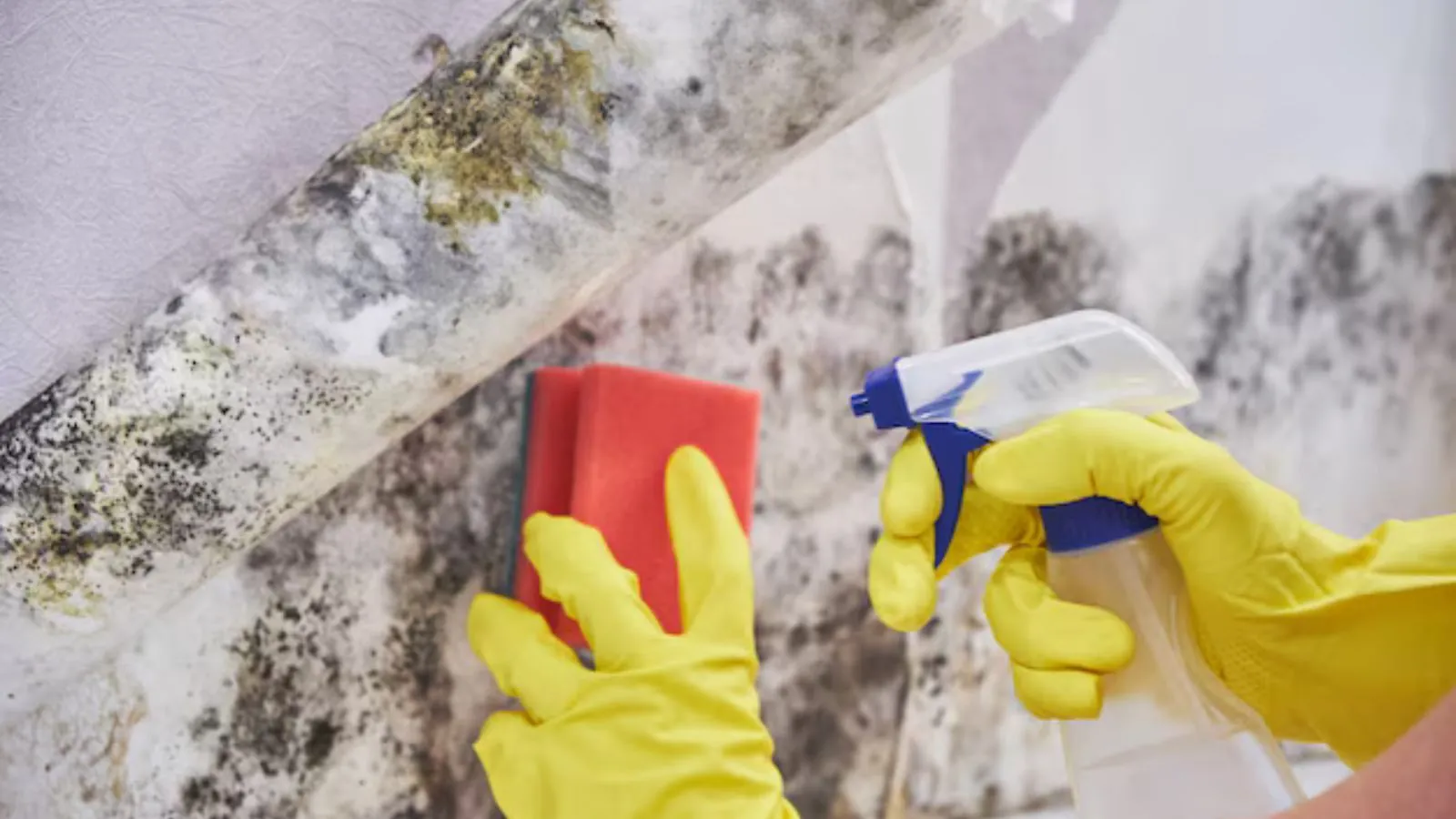
A basement is the bottom room in a house. It is cool, it sits against damp soil and it often has little airflow. Those conditions favor mold. In Winthrop, where the town sits on a coastal peninsula and parts of town are near sea level, basements deal with groundwater, rain and humid air all year. This guide explains why basement mold appears and what to do about it.
Why basements grow mold
Humid air
Warm, wet air meets cool walls and leaves condensation behind.
Groundwater seepage
Water moves through concrete and cracks after rain or high tides.
Plumbing and appliance leaks
A water heater, washer or pipe leak soaks the floor and wall base.
Stored items
Cardboard, fabric and wood absorb moisture and feed growth.
The town's infrastructure review notes high groundwater and tidal surge near Nahant Avenue, and says Ingleside Park sits at sea level. It does not say your basement has mold. It does explain why damp basements are a realistic concern in parts of Winthrop. See basement water damage cleanup for how the crew handles basement water.
Signs of basement mold
- A musty smell that gets worse after rain.
- Dark spots on walls, ceilings or stored items.
- White, powdery deposits on concrete, which can mean moisture moving through.
- Peeling paint or bubbled drywall.
- Condensation on pipes and windows.
- Allergy-like symptoms that improve when you leave the house.
Mold or musty smell in your basement?
Call the 24/7 line. Describe what you see and where water is coming from.
Find the moisture first
Cleaning mold without fixing the moisture is a short-term fix. Growth returns within weeks. Look for the source. Check for leaks at pipes, the water heater and the washer. Look at the exterior grade and the gutters. Note whether the damp is worse after rain or after a high tide. Run a dehumidifier for a few days and see how fast it fills.
A restoration crew uses moisture meters and thermal imaging to find hidden moisture. A plumber or drainage contractor fixes the source. Each has a different job.
Steps to take
Stop active water
Fix leaks and remove standing water. See water extraction.
Dry the space
Use air movers and a dehumidifier until readings are stable.
Remove contaminated materials
Wet carpet, pad, insulation and drywall with growth are removed.
Clean hard surfaces
Concrete and block can be cleaned and dried.
Control humidity
Keep humidity down and improve airflow.
When to call a professional
State guidance for owners suggests a professional when the area is large, when growth is inside walls or when the cause is flood or sewage water. A basement that has flooded is a common case. A professional sets up containment so spores do not spread to living areas, removes affected materials and dries the structure. See mold remediation for the process.
Finished and unfinished basements
An unfinished basement has hard surfaces that can be cleaned and dried. A finished basement has drywall, carpet and insulation that can hide moisture. When water enters a finished basement, expect more removals. The crew checks the base of each wall and under the carpet pad for hidden damp.
If you plan to finish a basement, address moisture first. Finishing a damp space traps water behind new materials and nearly ensures a problem.
Prevention for Winthrop basements
- Keep gutters clean and downspouts pointed away from the foundation.
- Test your sump pump each season and consider a backup.
- Use a dehumidifier in summer and set it to drain.
- Store items on shelves, not on the floor.
- Fix plumbing drips promptly.
- Check the basement after heavy rain and high tides.
What not to do
- Do not paint over mold.
- Do not brush dry growth.
- Do not run the furnace fan to blow it out.
- Do not seal a damp wall with waterproof paint and hope.
- Do not ignore a smell.
Humidity numbers worth knowing
The EPA suggests keeping indoor humidity below 60 percent, and ideally between 30 and 50 percent, to limit mold. A small humidity meter costs little and shows whether a basement is in range. Check it in summer, when warm air meeting cool walls pushes readings up.
If the meter sits above 60 percent for days, look for moisture sources and run a dehumidifier with a drain hose so it does not need emptying. That alone prevents many basement mold problems before they start.
What a professional visit looks like
A remediator starts by finding the moisture source with a meter and thermal camera. Then they set up plastic barriers and run a negative air machine so spores are drawn out through a filter. They remove materials with growth, clean surfaces and dry the structure.
Ask how they will confirm the work. Some owners hire an independent inspector for a final check. Others rely on moisture readings and a visual review. Either way, ask for the result in writing.
Costs to expect, in general terms
Price depends on area, materials and access. A small, contained patch costs far less than growth in several walls. Drywall removal and replacement adds cost, and so does a finished basement with carpet. Ask for a written scope and compare line items, as the guide on scopes explains.
Why finishing touches can hide a problem
Paneling, carpet tiles and stacked storage boxes hide the lower part of basement walls, which is where moisture shows first. Pull furniture a few inches from walls and look behind it each season. A flashlight and a minute of looking can catch a stain before it becomes a repair.
Why does my basement smell musty?
Moisture and low airflow let mold and mildew grow. Find the moisture source.
Is basement mold dangerous?
Reactions vary. Remove growth and dry the space.
Can I clean basement mold myself?
Small patches on hard surfaces, sometimes. Large areas call for a professional.
Will a dehumidifier fix it?
It helps control humidity, but leaks and seepage must be fixed.
The crew serves Winthrop, Boston and Nahant. For storm-related water, see storm water damage cleanup.
Sources and standards
The crew uses ANSI/IICRC S500 as its reference for water categories and drying methods. This page also draws on the public sources below.
- ANSI/IICRC S500, the standard and reference guide for professional water damage restoration (IICRC).
- U.S. EPA, A Brief Guide to Mold, Moisture and Your Home.
- Town of Winthrop, Infrastructure Vulnerability to Climate.