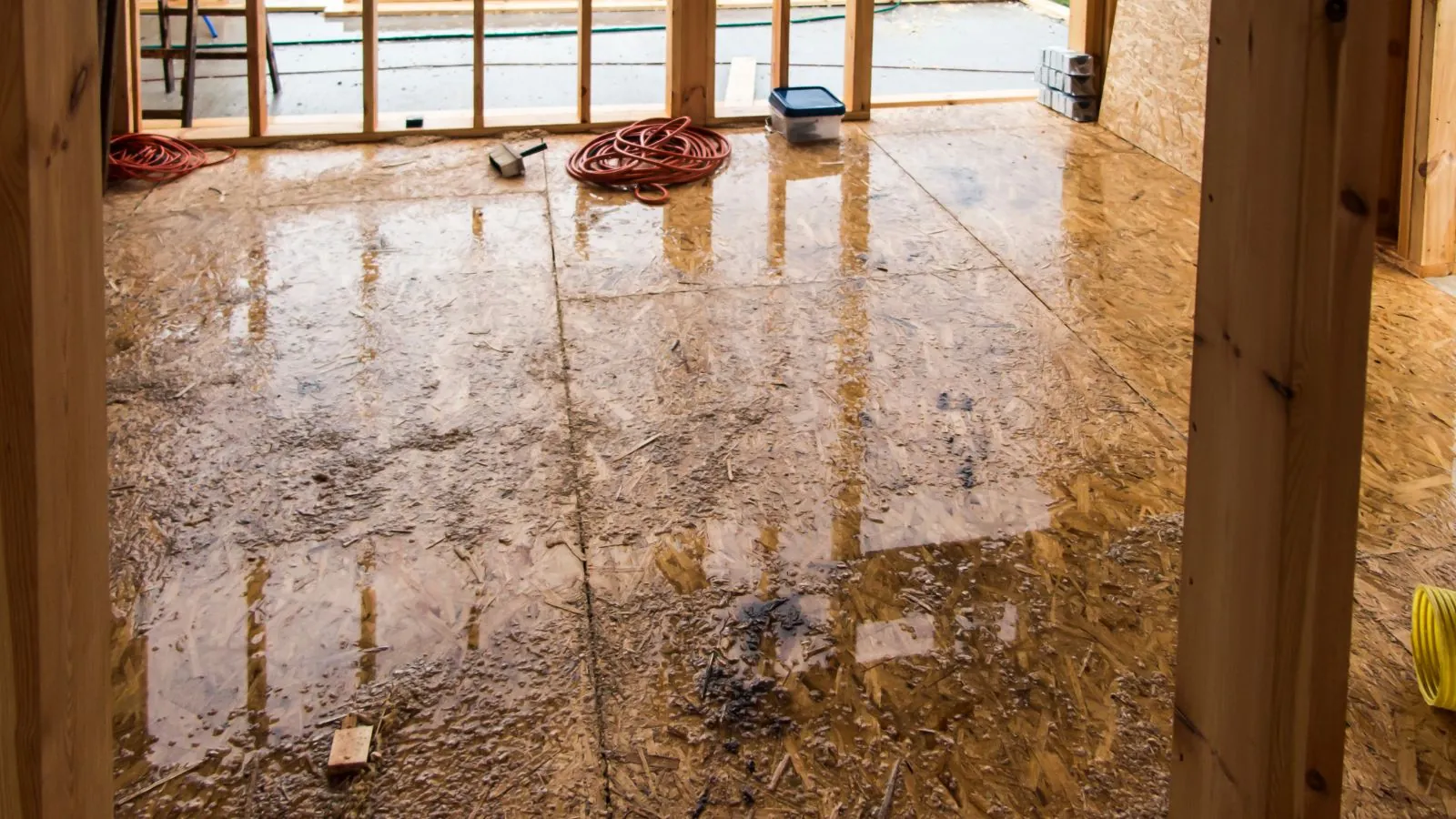
After a water loss, nearly every owner asks the same thing. What can I keep and what has to go? The answer depends on two things: the kind of water that reached the item and what the item is made of. A simple rule helps. Clean water and hard materials are often saved. Dirty water and porous materials are often thrown away.
Start with the water category
| Category | Example source | General approach |
|---|---|---|
| Category 1 | Supply line, tap, tank | Many items can be dried or cleaned if handled quickly. |
| Category 2 | Washer or dishwasher discharge, aged clean water | Hard items can be cleaned. Porous items are often removed. |
| Category 3 | Sewage, storm surge, flood water | Porous items are discarded. Hard items are cleaned and sanitized. |
These categories come from the ANSI/IICRC S500 standard, which restoration crews use as a reference. Water can move down a category if it sits long enough, so clean water left in a warm room for days can become a different problem.
Then look at the material
Hard and non-porous
Glass, metal, glazed tile and hard plastic can usually be cleaned and kept.
Semi-porous
Solid wood furniture and concrete can often be dried and cleaned if the water was clean.
Porous
Carpet pad, upholstery, mattresses, particleboard and drywall soak up water and are often discarded.
Special items
Photos, papers and electronics need their own handling. See the guides below.
Not sure what to save?
Call the 24/7 line. The crew checks each material with a meter and tells you what is dryable.
Items that are usually saved
- Solid wood furniture after clean water, once dried and checked.
- Glass, ceramic and metal items after cleaning.
- Hard plastic storage bins.
- Clothes and linens that touched clean water and are washed promptly.
- Hardwood floors in some cases, with careful drying. See hardwood floor water damage.
Items that are usually discarded
- Anything porous that touched sewage or flood water.
- Carpet pad and often the carpet itself after Category 2 or 3 water.
- Mattresses and upholstered furniture soaked by dirty water.
- Wet insulation and soft drywall.
- Particleboard cabinets and shelves that have swollen.
- Food and medicine that touched floodwater.
Carpet and pad
Carpet can sometimes be dried in place after clean water, especially if the pad is removed and the subfloor is dried. Pad is rarely worth saving because it is cheap and holds water. After dirty water, carpet and pad are discarded. See carpet water damage restoration for the details.
Drywall and insulation
Drywall that stood in clean water for a short time can sometimes be dried. If it has softened, crumbled or been wet for days, it is removed. Insulation that is wet usually loses its value and is removed. The crew uses moisture readings and a flood cut, which is a cut made above the water line, to decide. See wall and drywall water damage.
Clothing and linens
Washable fabrics that touched clean water can be laundered. After dirty water, many owners choose to discard them, though some items can be washed hot with a disinfecting product. Dry cleaning or professional laundering may be an option for delicate items. Do not mix contaminated and clean laundry.
Photograph before you throw anything away
Insurers may want to see what was lost. Photograph or video each item, note its age and price if you remember, and keep a list. For large items, keep a piece of the label or a tag if the insurer asks. Take a few moments for this before items go to the curb.
Safety first
- Wear gloves, boots and a mask when handling wet or dirty items.
- Keep children and pets out of the area.
- Do not use a household vacuum on wet floors.
- Wash your hands after handling anything that touched dirty water.
- Bag contaminated items separately.
Kitchen and pantry items
Food needs its own rule. Discard anything that touched flood or sewage water, including items in containers that cannot be sanitized. Canned goods can sometimes be saved if the cans are undamaged and are washed and sanitized, but cans that are bulging or dented should go. When in doubt, throw it out.
Medicine, cosmetics and baby items that touched dirty water are also better replaced. Photograph what you discard so the loss can be listed for your insurer.
Pets and children's items
Stuffed toys, car seats and bedding that touched dirty water are usually discarded. Hard plastic toys can be washed and sanitized. Keep children and pets away from the affected area until the crew says it is clean and dry.
How to clean items you decide to keep
Wash hard items with warm water and a mild detergent, then rinse and dry them fully. For items that touched dirty water, add a disinfecting step with a product that is made for that use and follow its label. Wear gloves and ventilate the room.
Let items dry completely before you store them. A damp item sealed in a box grows mold in days. Wood furniture dries best in a ventilated room away from direct heat, because fast drying can crack the wood.
Disposal and storage while you decide
Set aside a dry spot for items you are unsure about. Bag soft items from dirty water and label them. Heavy trash from a flood often needs special pickup, so call the Winthrop Department of Public Works to ask how bulky items and contaminated materials are collected.
Do not leave wet items piled in a garage or hallway. They keep releasing moisture and can start mold in nearby rooms.
Can I keep a couch after a flood?
If it touched flood or sewage water, usually not. After clean water, it may be dried and cleaned in some cases.
What about my food?
Discard food that touched flood water and anything in a container that cannot be sanitized.
Can wet drywall be saved?
Sometimes, if it was wet briefly with clean water and dries quickly.
Should I throw things away before the insurer sees them?
Photograph and list them first. Ask your insurer if they want to inspect.
See also flood damage cleanup. The crew serves Winthrop, Boston and Nahant.
Sources and standards
The crew uses ANSI/IICRC S500 as its reference for water categories and drying methods. This page also draws on the public sources below.
- ANSI/IICRC S500, the standard and reference guide for professional water damage restoration (IICRC).